
Best Positions for Installing CCTV
Start with the ways in
Think about how someone would get to your doors, your car or the back of the house. That's where the cameras should go.
Front door
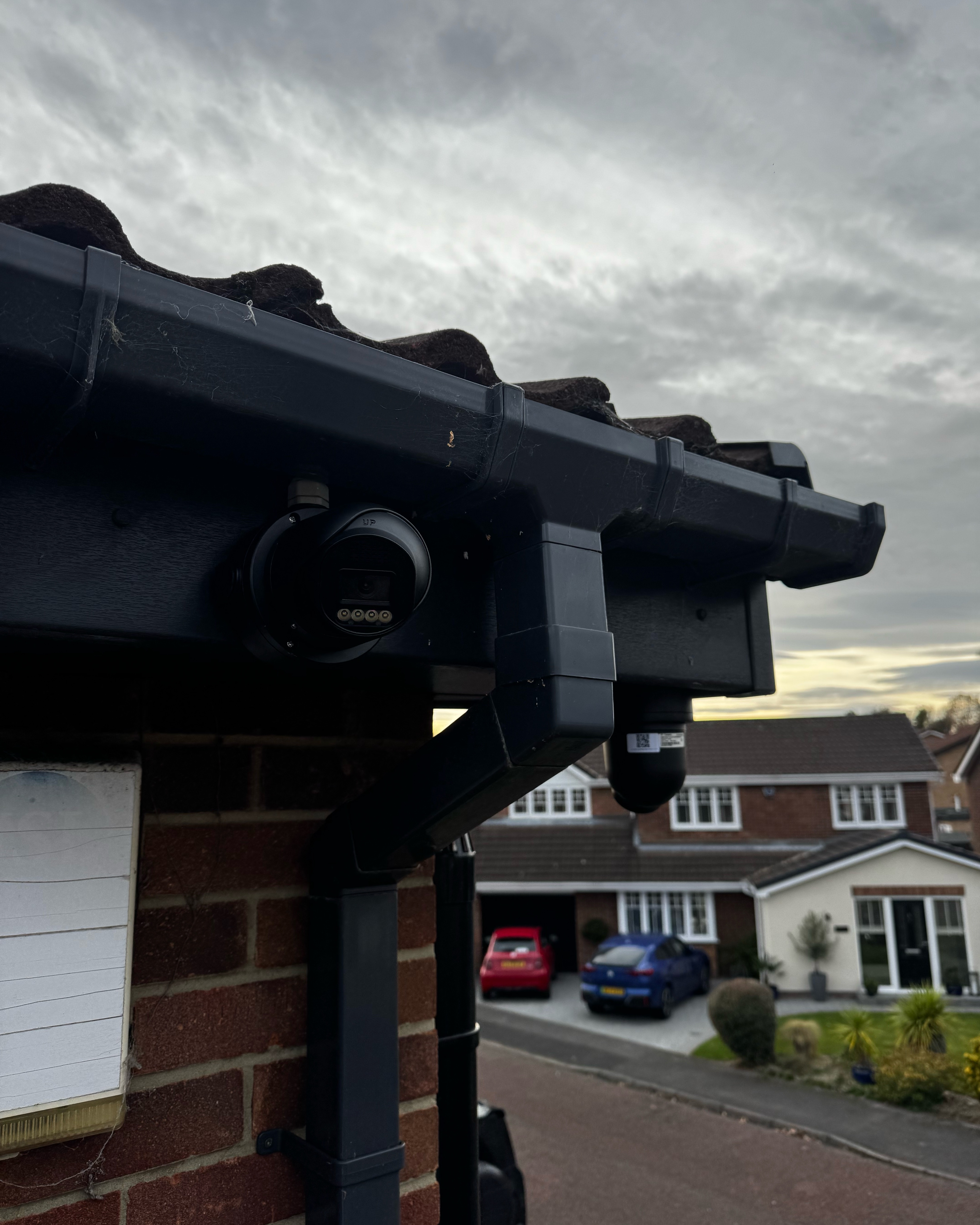
This is the one most people want, and for good reason. A camera here should catch faces coming up to the door, not just the top of a porch. On some houses one camera can cover the front door and the drive; on a wider frontage it's often better to split them.
Back door and garden
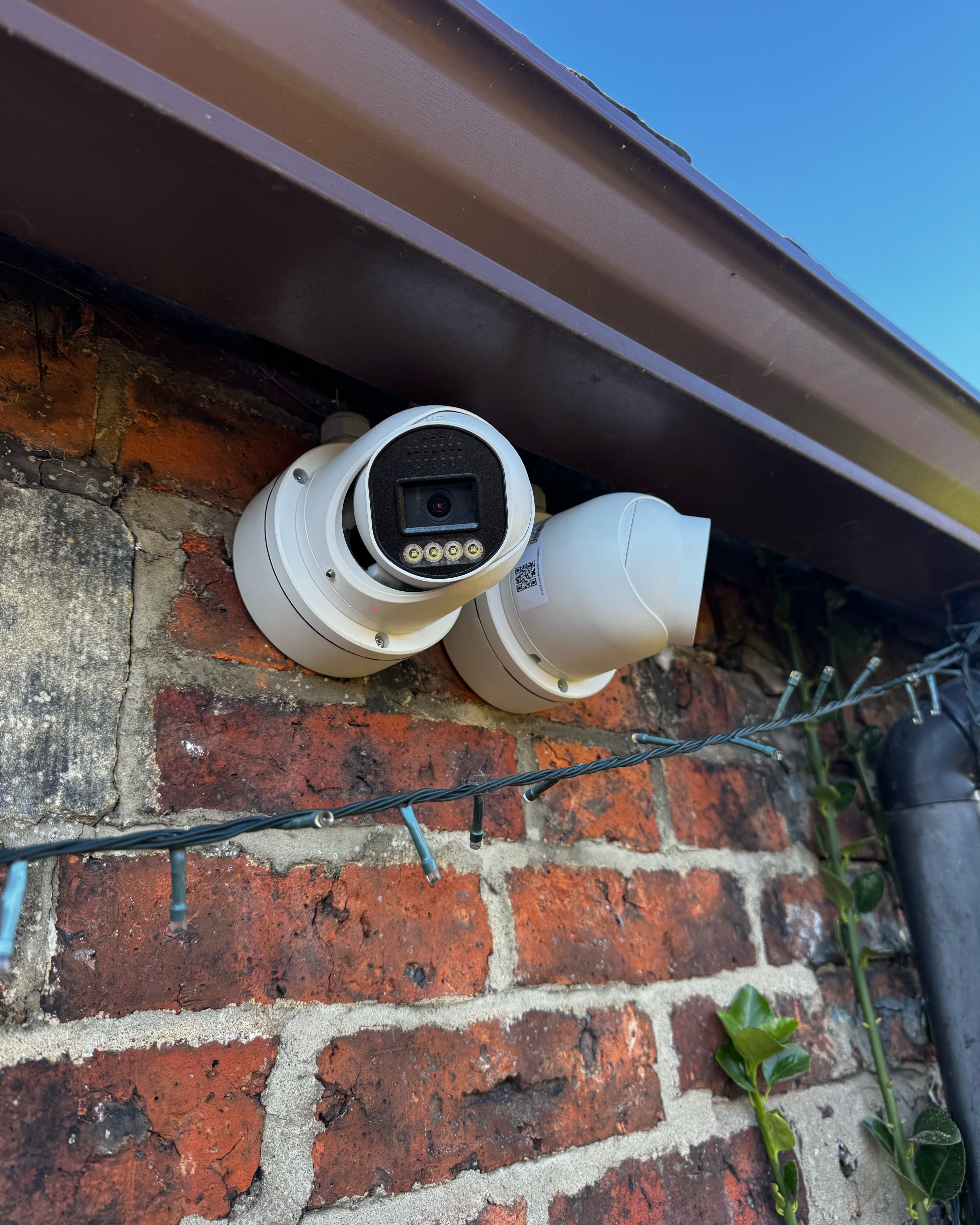
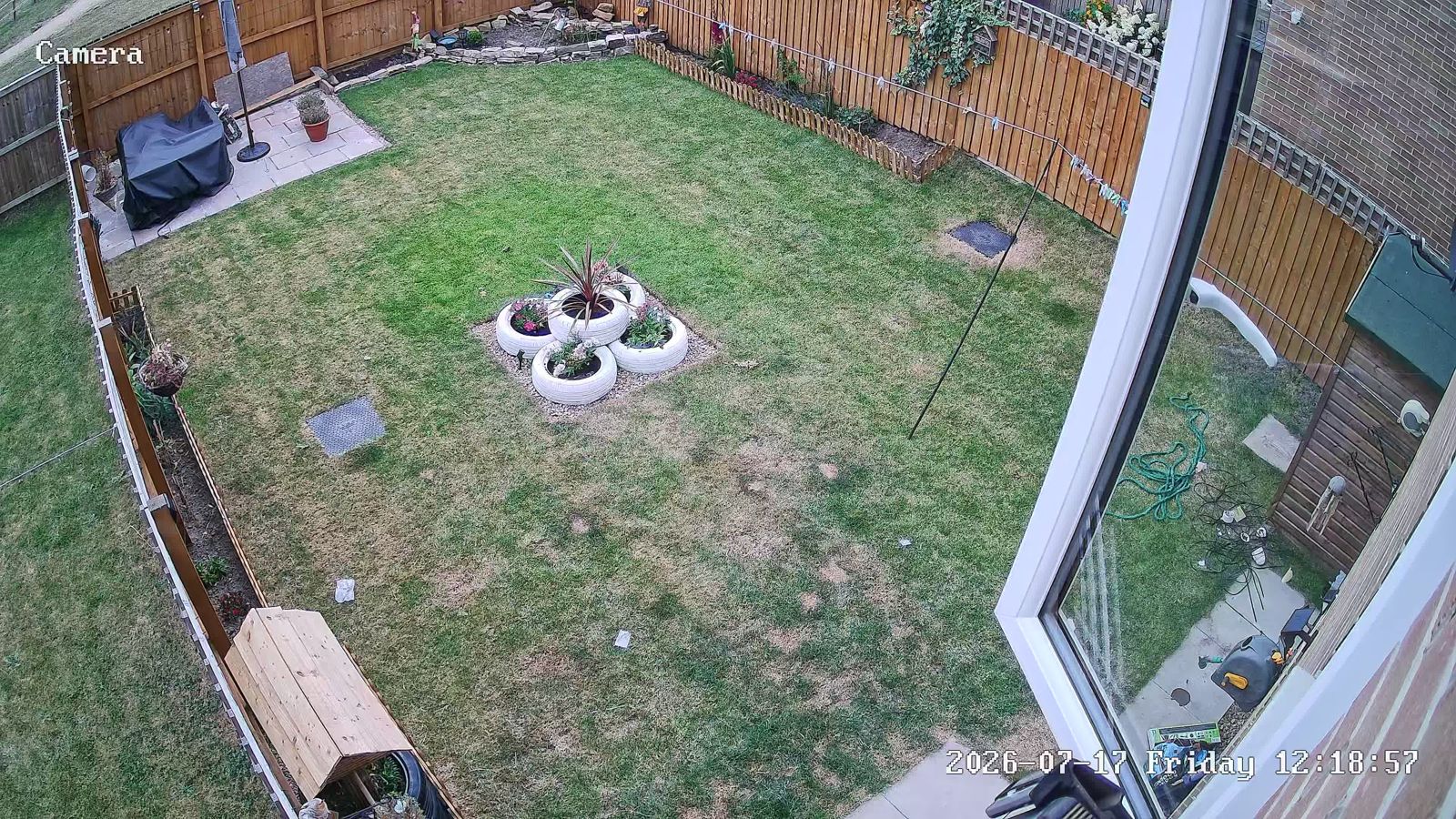
Back gardens are quieter and out of sight from the road, which is why they matter. A camera should cover the back door and the garden, so you see anyone coming over the fence or through a rear gate. On terraced streets in Sunderland, Durham or Horden, that gate is often on a back lane, so the view needs to take in the lane gate as well as the door and the yard.
Side passages and back-lane gates
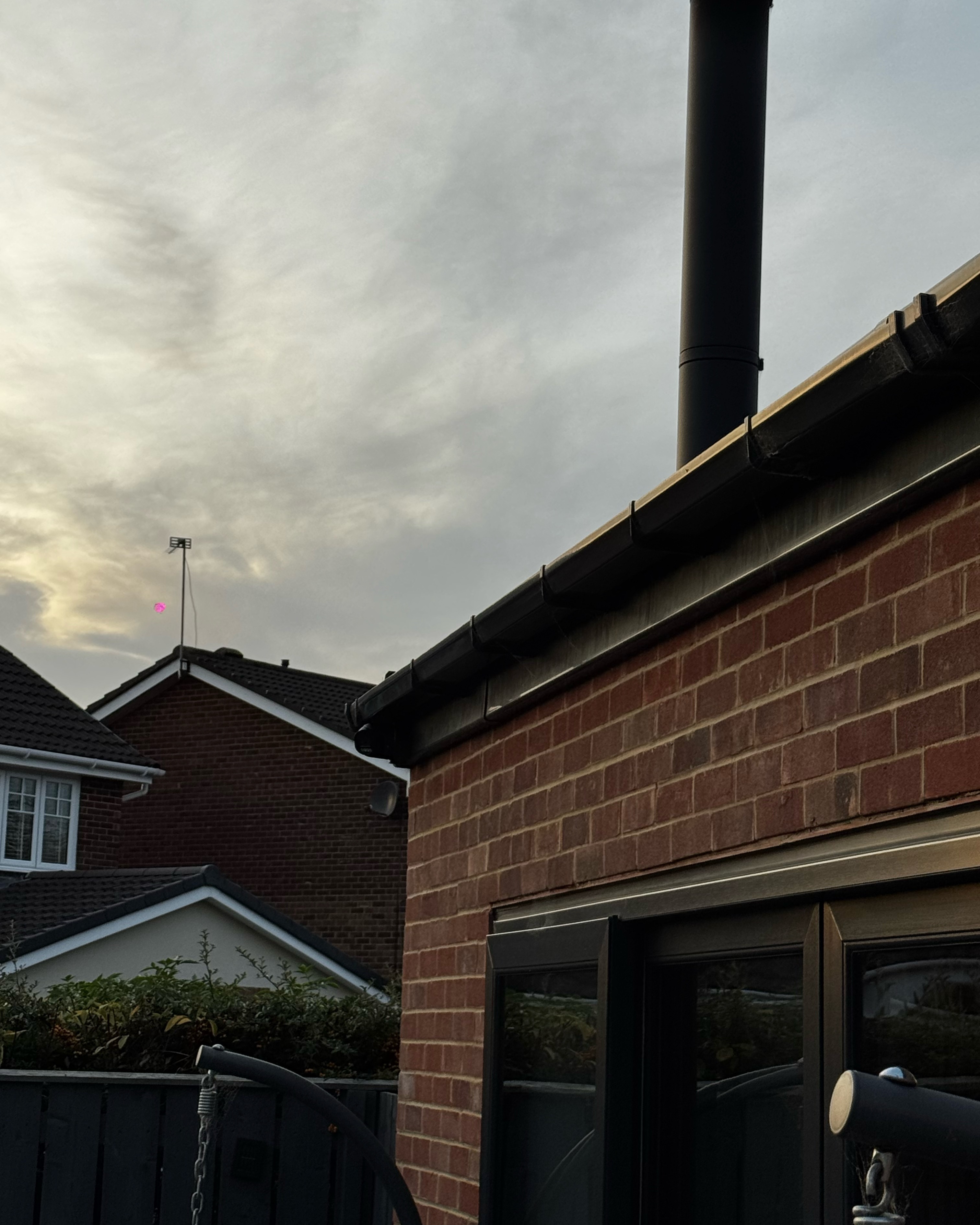
This is the one people forget. A side passage is usually the quiet way round to the back, between two houses and out of sight of the street. A camera looking straight down it, towards the gate, catches anyone using it. On older terraced streets, a back-lane gate should be in view too if that's how you'd reach the yard.
Driveways and cars
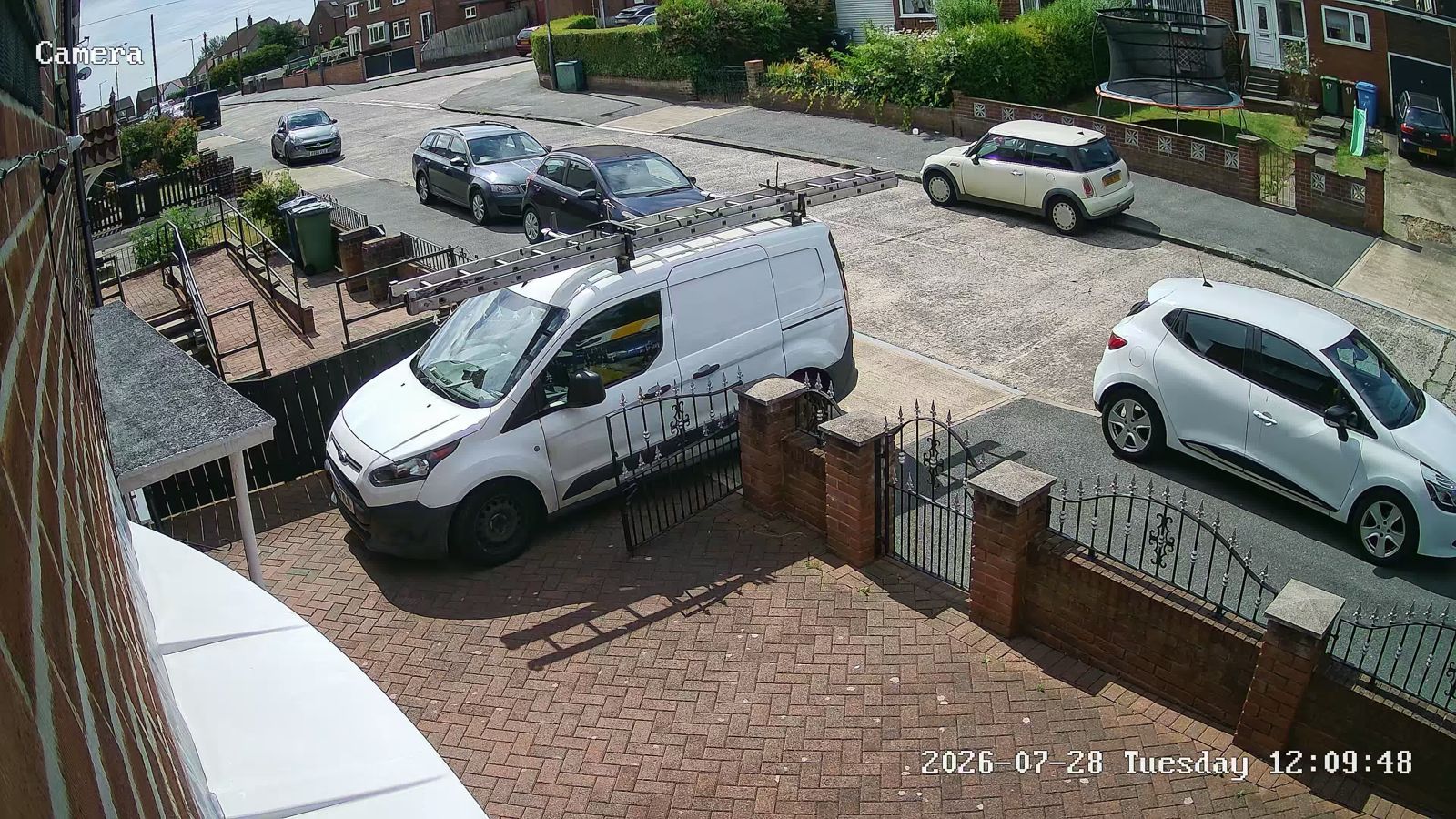
On newer estates around Newcastle, Durham and Teesside, the drive is often one of the main things people want to watch. A camera should cover the cars and the approach, not just a sliver of tarmac next to the house. If the drive is wide, check the far side is still clear enough.
Gardens and outbuildings
Once the doors, the drive and the side access are covered, walk the rest of the plot. A long rear garden, a corner hidden by an extension, or a gate you can't see from indoors are easy to miss. Garages, garden rooms and sheds are worth covering too if they sit out of view of the house cameras.
Blind spots
A blind spot is any approach that none of the cameras can see — a side passage, the far side of a wide drive, the space behind a garage, a back-lane gate, or a corner blocked by a hedge. Look at each live view and ask whether someone could reach a door or a car without appearing on screen. If they could, that spot needs a camera, or an existing one needs angling differently.
How high to fit a camera
Too low and a camera can be reached, knocked or covered. Too high and you get a view of hats and hoods, with no faces. The right height is high enough to be out of easy reach, but still angled so it sees faces as people walk towards it.
On a two-storey house, cameras often go under the eaves at first-floor level. On a bungalow the fascia is lower, so they need angling out across the ground rather than straight down, and every side matters. We don't use a single measurement for every house: the building and how people approach the door both affect the angle.
Lighting, night vision and glare
Cameras can record at night, which matters through the darker winter months here, but a few things can spoil the picture. Don't point a camera straight at a security light, a streetlight or the low sun, or the image will wash out. A camera behind glass, or right next to a pale wall, can bounce light — including its own infrared — back at itself. If a porch or side passage is in deep shadow, check the night view at dusk, not just in daylight.
Trees, hedges and other obstructions
Branches and hedges in front of a camera block the view and cause a lot of unnecessary movement on screen. Leave room for summer growth: a clear view in November can disappear behind leaves by June. The same applies to hanging baskets, satellite dishes, fence panels or washing on a line.
On the coast around Horden and Sunderland, wind and salt spray can also leave a film on the lens, so it helps if the camera is fitted firmly and is easy to wipe clean.
Neighbours' privacy
Point cameras at your own property: your doors, your drive, your garden and your own approaches, not your neighbour's windows, their garden, or a wide stretch of the street if you can help it. A camera angled along your side passage or across your own drive will usually do the job without staring into the house next door. If a little of the public path or the back lane appears at the edge of a view, that's often unavoidable, but the camera should still be there to watch your property, not someone else's.
What we fit
The cameras we fit at LB Security are wired 8MP 4K, with Power over Ethernet, and they record back to a recorder kept at the property. Features include two-way audio, so you can speak through the camera from your phone, and a built-in siren and warning light. Before we leave, we test each view and help you get the app working on your phone.
Most houses need a camera for each main way in: the front, the back, and any side passage or back-lane gate. A drive or a detached garage may need its own view as well. We'll walk round with you and say honestly how many you actually need.
Get a free quote
If you're thinking about CCTV at home in Horden, Sunderland, Newcastle, Durham, Teesside or nearby, we can plan the camera positions and give you a free quote.
Call Liam on 07884 373013, or fill in the form at lb-security.co.uk/get-cctv.